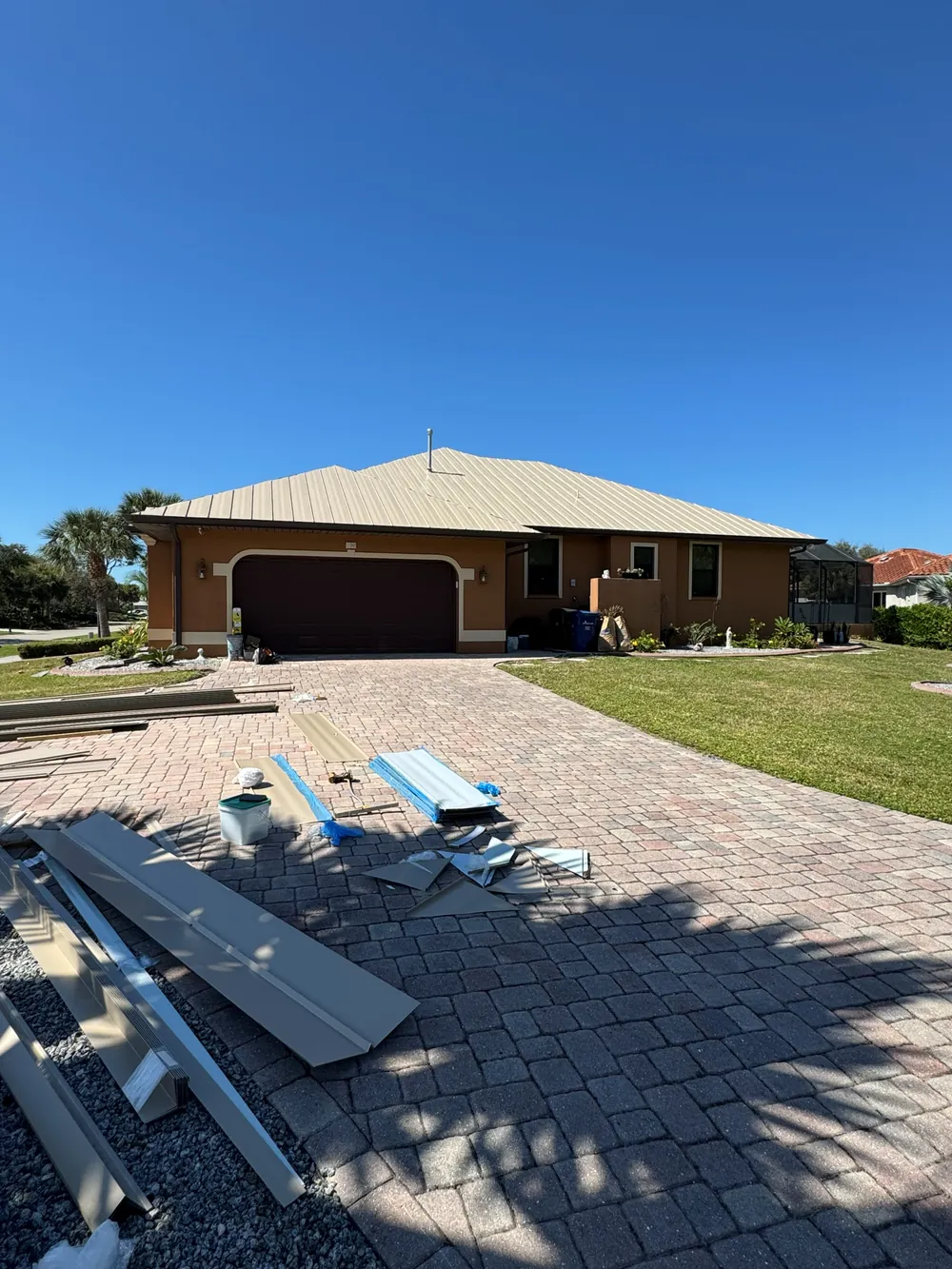
Residential Roofers Near Me in Sarasota & Manatee County: What Sets Them Apart
Residential roofers near me in Sarasota and Manatee County operate in an environment fundamentally different from roofing contractors in most other states. Florida's harsh climate—extreme heat, humidity, hurricane-force winds, and salt air—demands expertise that goes far beyond standard residential roofing. This guide explains what truly sets local residential roofers apart, how to verify they understand Florida-specific building codes and permitting, and why material selection matters more here than almost anywhere else in the country.
When homeowners in Sarasota and Manatee County search for residential roofers near me, they often assume all roofers follow the same playbook—but that assumption costs thousands in unnecessary repairs and insurance headaches. Residential roofing in Florida isn't just about nailing shingles; it's about navigating a unique intersection of hurricane-force winds, state building codes updated in 2023, HOA rules, salt-air corrosion, and material choices that can add 30+ years to a roof's lifespan.
The Questions Every Homeowner Should Be Asking
- What roofing materials are best suited for Sarasota and Manatee County's coastal climate and hurricane exposure?
- How do the 2023 Florida Building Code requirements change the way residential roofers must install and inspect roofs?
- What extra compliance layers do HOA-managed properties add to residential roofing projects in this region?
What the Data Shows
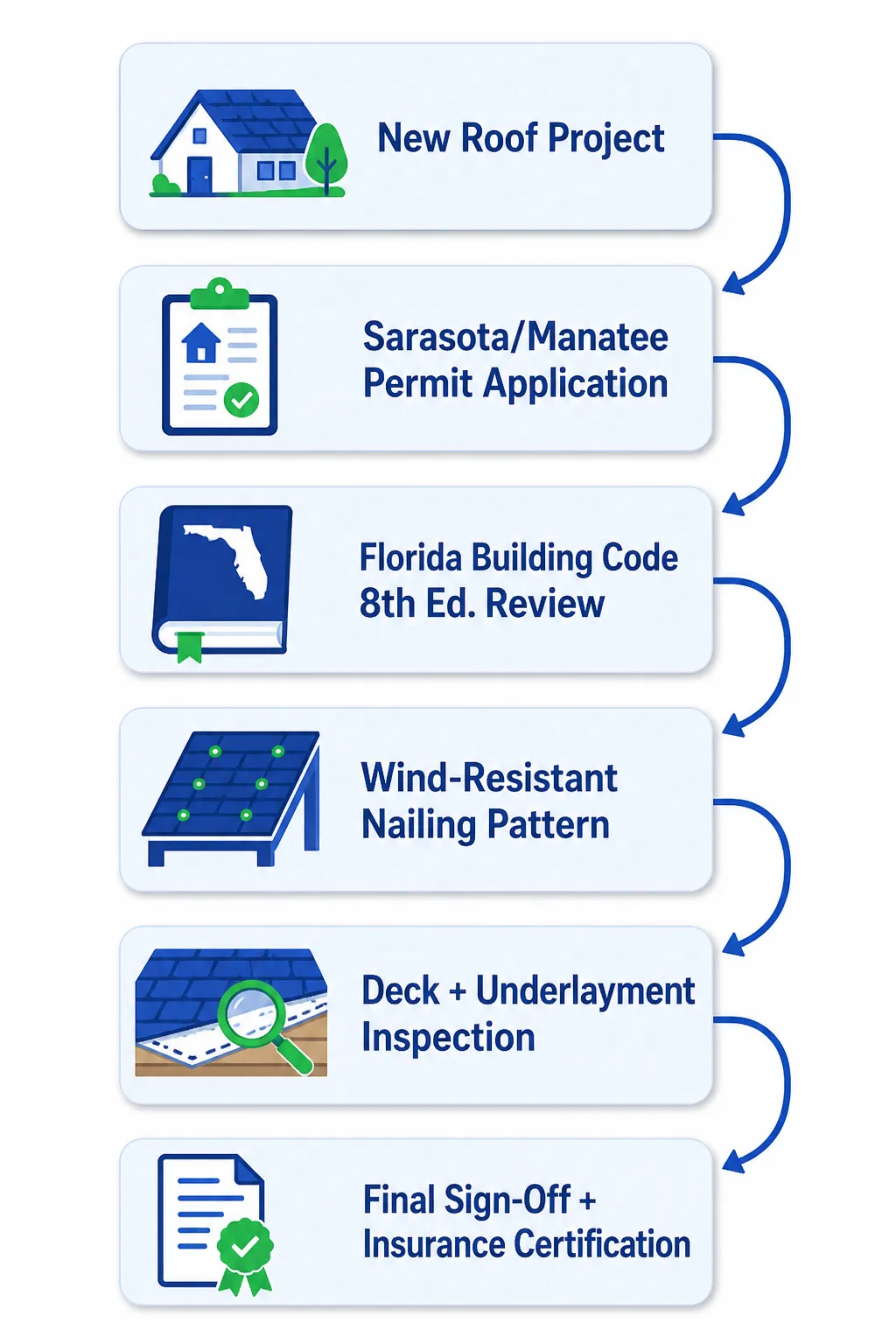
- Residential roofing in Sarasota and Manatee counties must meet the 8th Edition (2023) Florida Building Code, which mandates specific wind-resistant nailing patterns, underlayment specs, and deck requirements non-negotiable for inspection and insurability.
- Material choice is critical: composition shingles cost $8,000–$28,000 but last only 15–25 years; tile and metal roofs cost more upfront but deliver 40–70 years of durability and superior salt-air and wind resistance.
- Local residential roofers must navigate county-specific permitting processes in Sarasota and Manatee, including photo documentation and affidavits, plus HOA approval for color, material, and installation procedure—a step many out-of-area contractors underestimate.
- Composition shingles used in Florida achieve wind ratings up to 130 mph to comply with storm-prone building codes, but tile and metal roofing are the fastest-growing segments among homeowners prioritizing hurricane resilience.
How We Put This Together
This guide synthesizes research into Florida's 8th Edition Building Code, local permitting practices in Sarasota and Manatee counties, regional material performance data, and the specific constraints of HOA-managed residential properties. We reviewed material lifespan comparisons, wind-resistance specifications, and cost data from local market analysis to provide homeowners, HOA board members, and property managers with actionable criteria for vetting residential roofing contractors in this region.
Before we get into the specifics, it helps to frame the stakes correctly. Hiring a residential roofer in Sarasota is a lot like hiring a surgeon: you wouldn't choose based on price alone, and you'd verify credentials, experience, and local reputation before letting them touch something that protects your family and finances. A cheap roofer who doesn't understand the Florida Building Code 8th Edition is like a surgeon who skips sterilization—the cost savings evaporate the moment something goes wrong.
1. Residential Roofers Near Me Must Master Florida's Building Code—Here's Why That Matters
Any contractor who tells you "code is code everywhere" hasn't worked a residential roof in Sarasota or Manatee County lately. The 8th Edition (2023) of the Florida Building Code isn't a suggestion layered on top of standard roofing practice—it's the baseline. Skip a step, and the roof either fails inspection outright or, worse, passes inspection on paper but fails structurally the first time a tropical system rolls through.
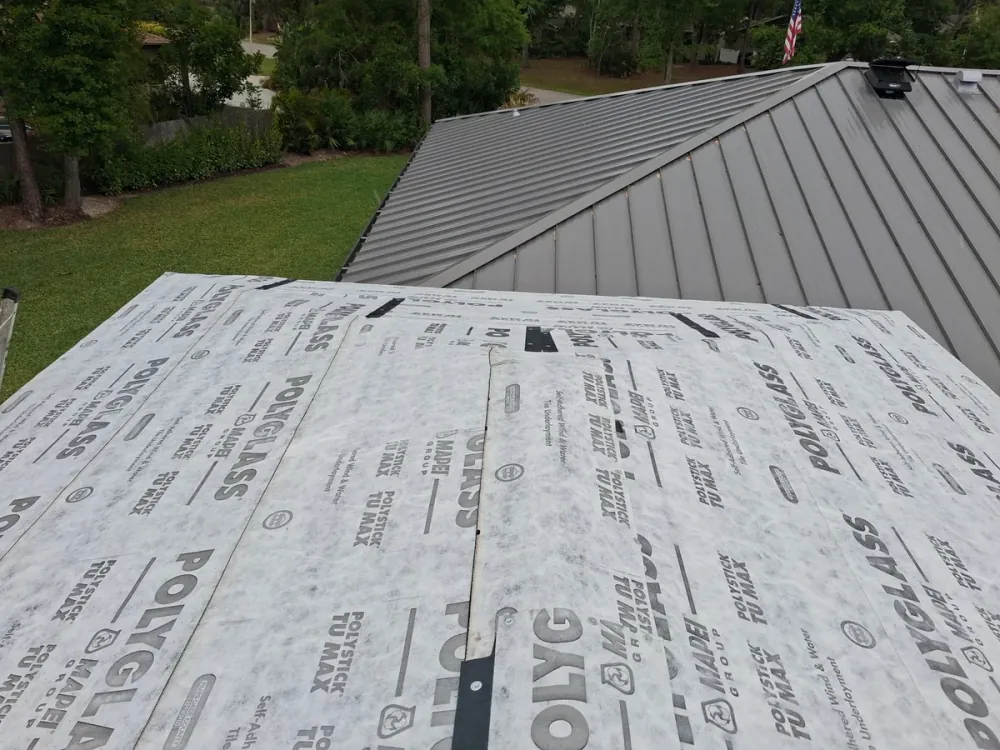
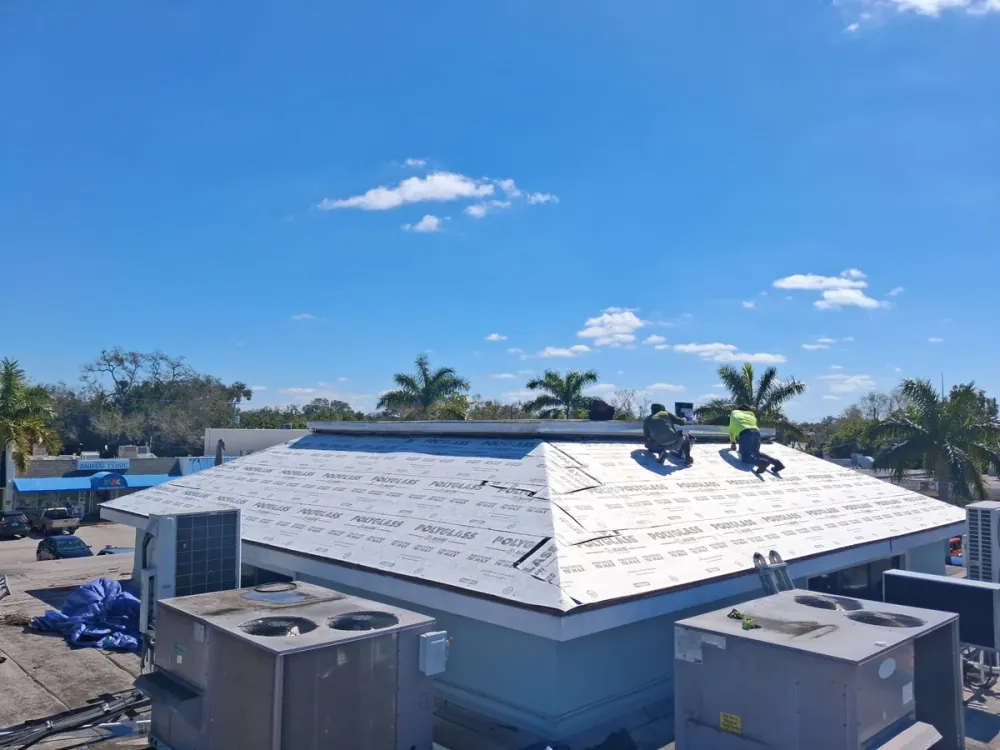
Three specific requirements trip up out-of-state and out-of-area contractors more than any others: nailing patterns, underlayment ratings, and deck preparation. Each one sounds minor in isolation. Together, they determine whether your roof survives a strong storm or ends up as debris in your neighbor's pool.
Code compliance isn't just a safety issue—it's a financial one. A roof that doesn't meet code can void your homeowner's insurance coverage entirely, leaving you exposed exactly when you need protection most. This is also where the permitting process diverges between the two counties: Sarasota County and Manatee County each have their own documentation requirements, and contractors need to know which photo documentation and affidavits apply where. Homeowners who want a deeper walkthrough of how to vet local contractors for code compliance will find it useful before signing any contract.
- The Florida Building Code 8th Edition (2023) requires 8d or 10d galvanized nails spaced no more than 6 inches on field rows and 4 inches on edges—a difference that impacts wind resistance by 15–20%.
- Underlayment must meet ASTM D1970 specifications for moisture prevention in Florida's high-humidity environment; many contractors substitute cheaper alternatives that fail inspection.
- Insurance companies in Sarasota and Manatee increasingly require a signed affidavit from the contractor confirming code compliance before they will cover the roof, making local expertise a financial requirement, not just a preference.
2. Material Choices for Residential Roofs: Composition Shingles vs. Tile vs. Metal in a Coastal Climate
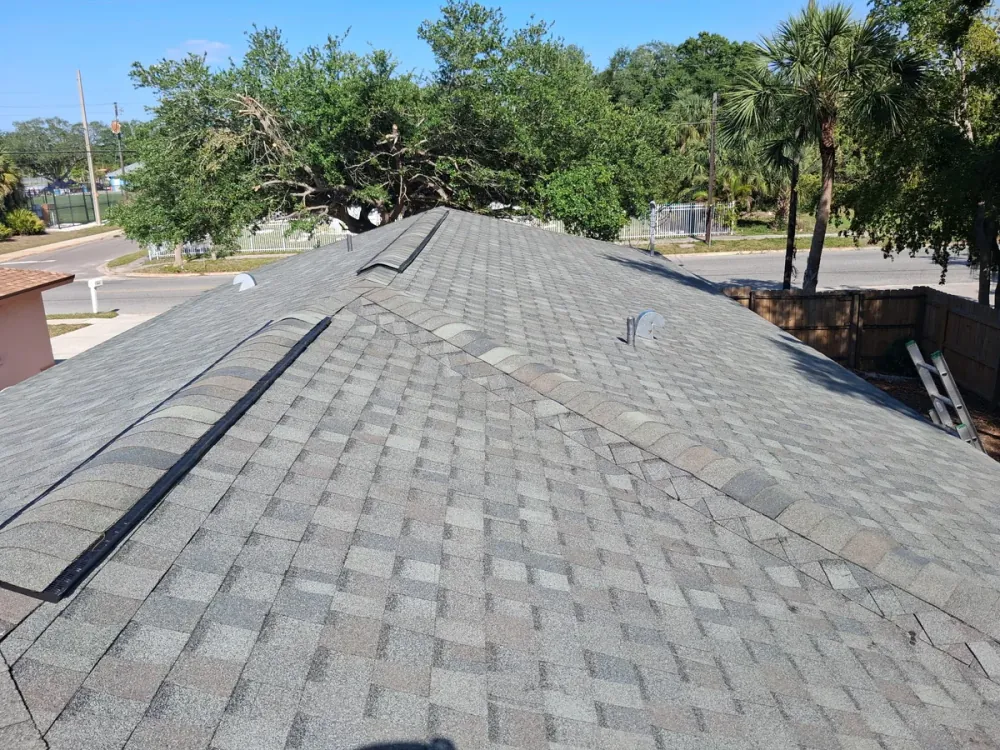
Every material conversation with a residential roofer eventually comes down to a trade-off between upfront cost and long-term durability—and in a salt-air environment, that trade-off is sharper than in most parts of the country. Composition shingles remain the most affordable entry point, but that affordability comes with an asterisk: salt air and humidity accelerate degradation in ways that homeowners in landlocked states never have to think about.
Clay and concrete tile has been the premium choice in coastal Florida for decades, and for good reason. It's not just about aesthetics, though the look matters to a lot of homeowners and HOA boards. Tile resists salt corrosion, holds up to extreme wind, and often outlasts the mortgage on the house it's protecting. Metal roofing has caught up fast, too, driven by homeowners who want hurricane resilience, lower long-term maintenance, and better energy efficiency without the weight and installation complexity of tile.
Here's how the three main options stack up when you factor in Sarasota and Manatee County's specific climate demands:
| Material de Techo | Vida Útil Estimada | Ideal para Clima Sarasota |
|---|---|---|
| Teja Arcilla/Concreta | 40-70 años | Sí - Resistencia a sal y vientos |
| Techo Metálico | 40-70 años | Sí - Resistencia a huracanes |
| Tejas de Composición | 15-25 años | Limitado - Presupuesto inicial bajo |
- Composition shingles degrade faster in salt-air environments; homeowners in coastal Sarasota can expect 5–10 years less lifespan than the manufacturer's rated 20–25 years.
- Clay terra cotta and concrete tile average $45,522 for an average-sized home but eliminate the need for a second replacement during the homeowner's tenure.
- Metal roofing is the fastest-growing segment in Florida, projected to exceed 5 billion square feet of market share by 2029, driven by residential demand for hurricane-resilient, low-maintenance options.
3. Residential Roofing Contractors and the HOA Compliance Layer: A Sarasota and Manatee County Reality
If your property sits inside an HOA-managed community, your residential roofing project has a third party at the table whether you like it or not. It's a three-way approval process: you as the homeowner, the contractor doing the work, and the HOA board reviewing every material and color choice before a single shingle goes up. Skip that third leg of the stool and you're gambling with a stop-work order.
Common restrictions in Sarasota and Manatee County communities cover more ground than most homeowners expect—approved color palettes, specific material classes, sometimes even mandated installation procedures or contractor certifications. A residential roofer who's worked in your specific community, or one just like it, already knows the rules and can negotiate approvals in days instead of weeks. Contractors unfamiliar with these rules are the ones who cause the delays and cost overruns you hear about from neighbors.
The fix is simple in theory: verify your roofer understands your HOA's covenants before signing anything. In practice, this means asking pointed questions upfront rather than assuming "roofing is roofing." A contractor who asks for your HOA's architectural guidelines before quoting the job is signaling real local experience—and that's worth more than a lower bid from someone who's never dealt with an architectural review board.
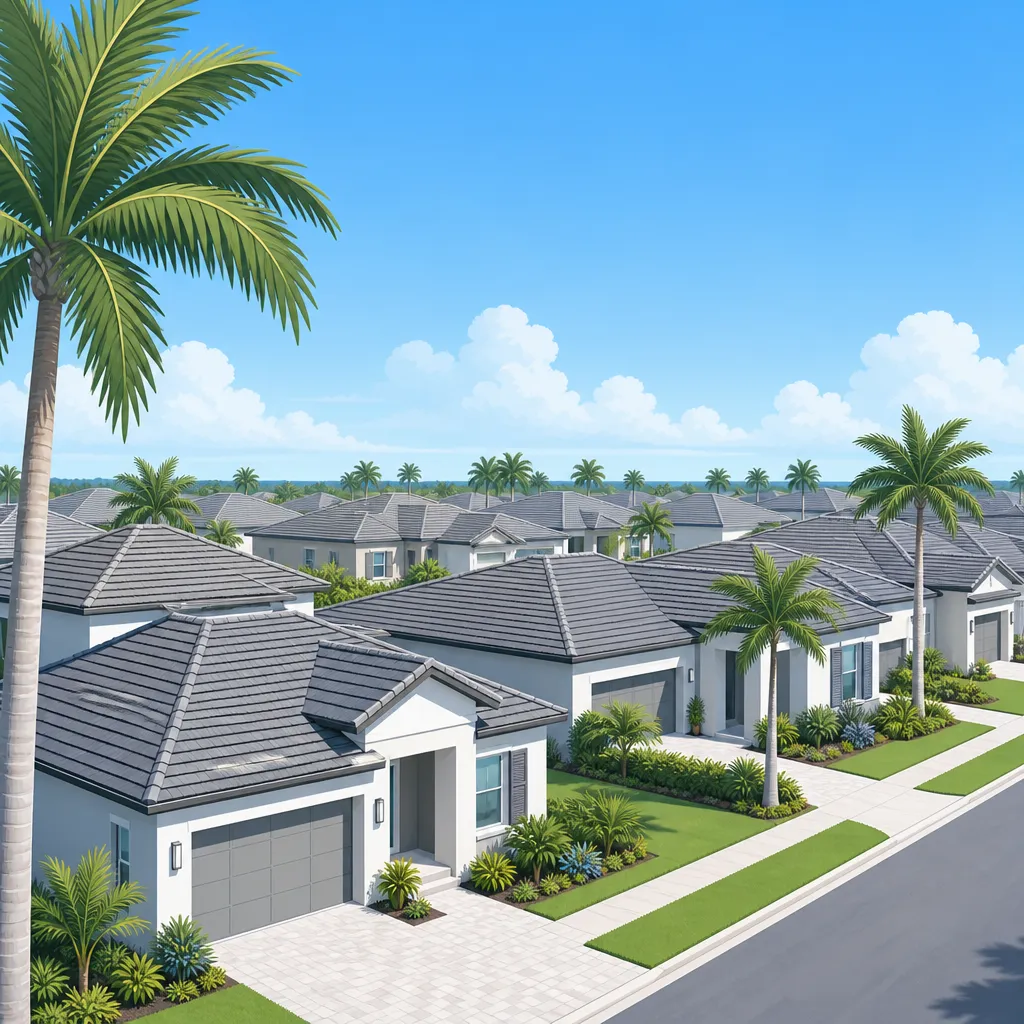
- Many HOAs in Sarasota and Manatee require pre-approval of roofing color and material before work begins; failure to secure approval can result in project stoppage and removal of non-compliant materials at homeowner expense.
- Some HOAs mandate specific installation procedures or contractor certifications; residential roofers familiar with these rules negotiate faster approvals and avoid costly redesigns.
- HOA documentation (architectural guidelines, covenants) varies by community; a contractor who asks for your HOA rules upfront signals local experience and reduces compliance risk.
This scenario plays out more often than you'd think. Picture a homeowner in a Sarasota HOA community who hires a contractor from Tampa—someone who's never worked in an HOA environment. The contractor installs gray composition shingles without HOA pre-approval. The board issues a stop-work order, citing unapproved color and material. The homeowner now has to pay the contractor to remove the brand-new roof and install the board-approved tan clay tile instead—a $15,000+ mistake that a Sarasota-experienced contractor would have prevented with a single phone call to the architectural review committee.
4. Residential Roofing Contractors in Sarasota and Manatee County: Licensing, Insurance, and Permitting Expertise
Before you get to material choices or HOA paperwork, there's a baseline check every homeowner needs to run: is this residential roofing contractor actually licensed and insured to work in Florida? It sounds obvious, but plenty of homeowners skip this step because a contractor "seemed professional" or came recommended by a neighbor.
Florida requires roofing contractors to hold a valid roofing license, and you can verify this directly on the Florida Department of Business and Professional Regulation (DBPR) website in a few minutes. That check alone eliminates a surprising number of unqualified bidders. Beyond licensing, ask specifically how many projects the contractor has completed in Sarasota County versus Manatee County over the past two years—the permitting quirks between the two aren't identical, and experience in one doesn't automatically transfer to the other.
Request references from similar properties in your neighborhood or HOA, not just a generic project list. A contractor who proactively brings up code compliance, permitting timelines, and insurance affidavits before you even ask is telling you something important: they've been burned by skipping these steps before, or they've simply built the habit of doing it right the first time. Either way, that's the contractor you want. For a step-by-step approach to preparing for a contractor visit and verifying credentials, it's worth reviewing before your first consultation.
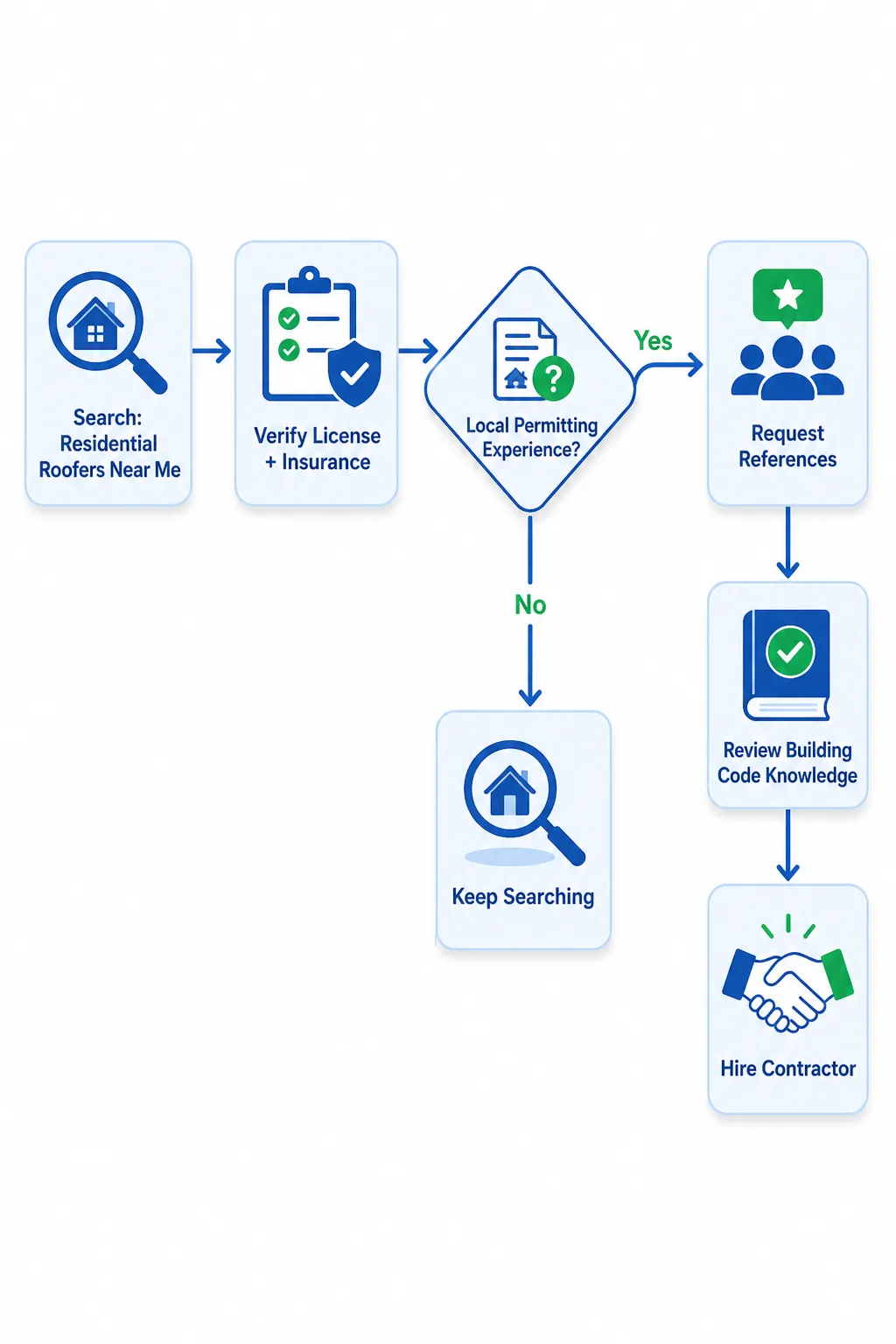
- Florida requires roofing contractors to hold a valid roofing license; verify this on the Florida Department of Business and Professional Regulation (DBPR) website before hiring.
- Ask contractors how many projects they've completed in Sarasota County vs. Manatee County in the past two years and request references from similar properties in your HOA or neighborhood.
- A contractor who proactively mentions code compliance, permitting timelines, and insurance affidavits signals deep local experience and reduces your risk of inspection failures or insurance denials.
5. Wind Resistance and Hurricane Preparedness: What Residential Roofers Must Deliver in Sarasota and Manatee County
Wind resistance is the single biggest driver of material selection for residential roofing in this region, and for good reason. The Florida Building Code 8th Edition sets a minimum wind-resistance standard that every roof installed in Sarasota or Manatee County has to meet—no exceptions, no grandfathering in older, weaker installations once a full re-roof is underway.
That minimum standard translates directly into dollars and safety. A roof's wind rating affects insurance eligibility and resale value in a hurricane-prone market where buyers and underwriters both ask about roof age and rating before anything else. But here's the part that catches homeowners off guard: a roof's rated wind resistance on paper only holds up if the installation matches the spec. Improper nailing patterns can drag actual performance well below the rated number, turning a "130 mph roof" into something that fails in a much weaker storm.
- Composition shingles rated for 130 mph meet the Florida Building Code minimum but still degrade faster than tile or metal under repeated wind exposure and salt air.
- A roof installed with improper nailing patterns can fail at wind speeds 20–30% lower than its rated specification; code compliance isn't optional, it's structural.
- Insurance companies in Sarasota and Manatee increasingly offer discounts (5–15%) for roofs installed to exceed code minimums, making hurricane-resilient materials a financial investment, not just a safety feature.
None of this is abstract for anyone who's lived through a Florida storm season. If you want a deeper look at understanding storm damage and roof resilience, it's a natural next step for connecting material choice to real-world hurricane performance.
What This Means for Homeowners, HOA Boards, and Property Managers
- Homeowners in Sarasota and Manatee County should budget 30–50% more time for permitting and HOA approval than homeowners in states without strict coastal building codes. Hiring a local contractor compresses this timeline by weeks.
- HOA board members evaluating roofing reserve funds or community-wide re-roofing projects must account for material diversity; not all homes can use the same roof type if they're in different HOA sub-communities with different architectural guidelines.
- Property managers overseeing rental or investment properties in Sarasota and Manatee County need residential roofing contractors who understand insurance requirements and can provide documentation (affidavits, photos, inspection sign-offs) that satisfy both lenders and insurers—a service that commodity roofers rarely offer.
Frequently Asked Questions
How do I find residential roofers near me who actually understand Florida's building code?
Start by verifying the contractor's license on the Florida DBPR website, then ask specifically about their experience with the 8th Edition Florida Building Code and how many projects they've completed in Sarasota County versus Manatee County. A contractor who can speak specifically to nailing patterns, underlayment specs, and permitting timelines has the local expertise you need.
Is it worth paying more for tile or metal roofing instead of composition shingles?
If you plan to stay in your home for the long term, tile or metal roofing generally pays for itself by avoiding a second full replacement, plus it holds up far better against salt air and hurricane-force wind. Composition shingles make sense mainly for homeowners planning a shorter-term hold or working with a tighter upfront budget.
What happens if my HOA doesn't approve my roofing material before installation starts?
Your HOA can issue a stop-work order and require removal of the non-compliant roofing at your expense, even if the material meets Florida Building Code standards. Always get written HOA approval on color and material before any work begins, and choose a contractor experienced with your specific community's architectural guidelines.
Can an out-of-area contractor legally install a residential roof in Sarasota or Manatee County?
Yes, as long as they hold a valid Florida roofing license, but licensing alone doesn't guarantee they understand local permitting quirks or HOA compliance requirements. Ask for references specific to Sarasota or Manatee County projects before hiring an out-of-area contractor for peace of mind.
Will my insurance company require proof that my new roof meets code?
Increasingly, yes—many insurers in Sarasota and Manatee County now require a signed contractor affidavit confirming code compliance before they'll cover the roof. Some insurers also offer premium discounts for roofs installed to exceed the minimum wind-resistance standards, so ask your contractor about documentation upfront.
Keep Learning
- Top Roofers Near Me in Sarasota & Manatee County: How to Vet Local Contractors — A detailed guide to evaluating residential and commercial roofers, including licensing checks, reference verification, and how to assess a contractor's understanding of local codes and permitting.
- Commercial Roofers Near Me: How to Hire the Right Contractor in Sarasota & Manatee County — While focused on commercial roofing, this guide explains many of the same code compliance and permitting principles that apply to large residential projects and multi-unit properties in the region.
- Storm Damage Roof Repair Near Me: Sarasota & Manatee County Homeowner's Guide — Understand the intersection of residential roofing quality, wind resistance, and hurricane preparedness—critical context for choosing a material and contractor that will protect your home for decades.
- Roof Fixers Near Me: A Pre-Arrival Checklist for a Faster Fix — A practical checklist for preparing your property and gathering documentation before a residential roofer arrives, including how to organize HOA rules and insurance information for a smoother project.